

How to Cook Every Cut of Beef (Simple Guide)
Cooking beef doesn’t need to feel complicated. Most of the confusion comes from not knowing how different cuts behave. At Riverbend Cattle Company, we believe that once you understand a few basic principles, cooking any cut becomes more intuitive and far less stressful.
The key is simple: match the cut to the cooking method. Some cuts benefit from time and low heat, while others respond best to quick, high-heat cooking.
Start with the Structure of the Cut
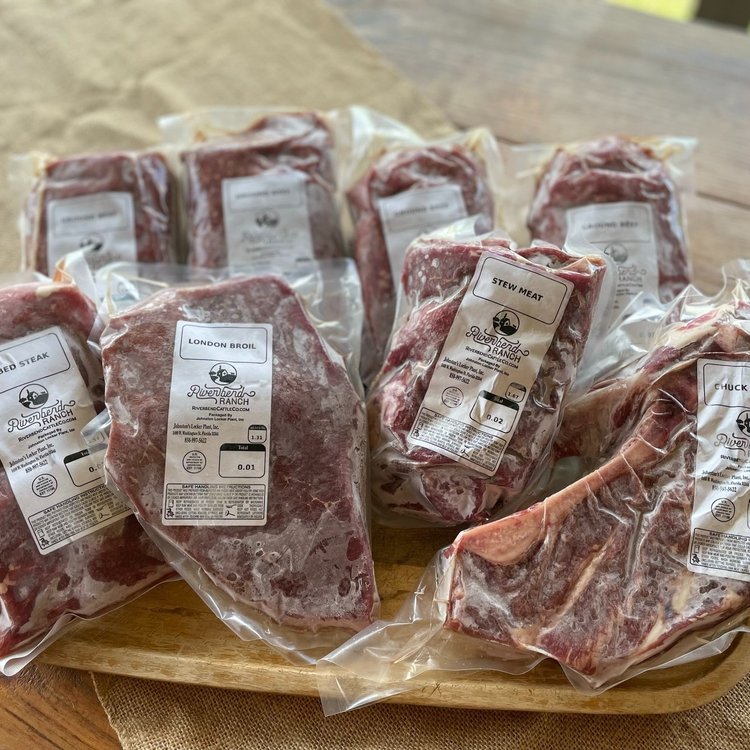
Cuts like Riverbend Cattle Company chuck roast, short ribs, and beef shank come from harder-working parts of the animal. These cuts contain more connective tissue, which breaks down slowly and becomes tender when cooked over time.
On the other hand, cuts like sirloin steak, picanha steak, and London broil are better suited for quicker cooking methods like grilling or pan-searing.
Let Time or Heat Do the Work
Slow-cooked meals, like braised short ribs or chuck roast, allow time to transform the texture of the beef. Quick-cooked meals rely on heat to create a flavorful crust while keeping the inside tender.
Recipes like slow-cooked shoulder steak or a simple pan-seared steak show how different approaches create equally satisfying meals.
Cooking Becomes Simpler with Experience
Once you understand how each cut responds, the process becomes more natural. You don’t need complicated recipes—just a clear understanding of what the beef needs.
Riverbend Cattle Company believes that confidence in the kitchen starts with knowledge, and that every cut has a place at the table when it’s prepared the right way.